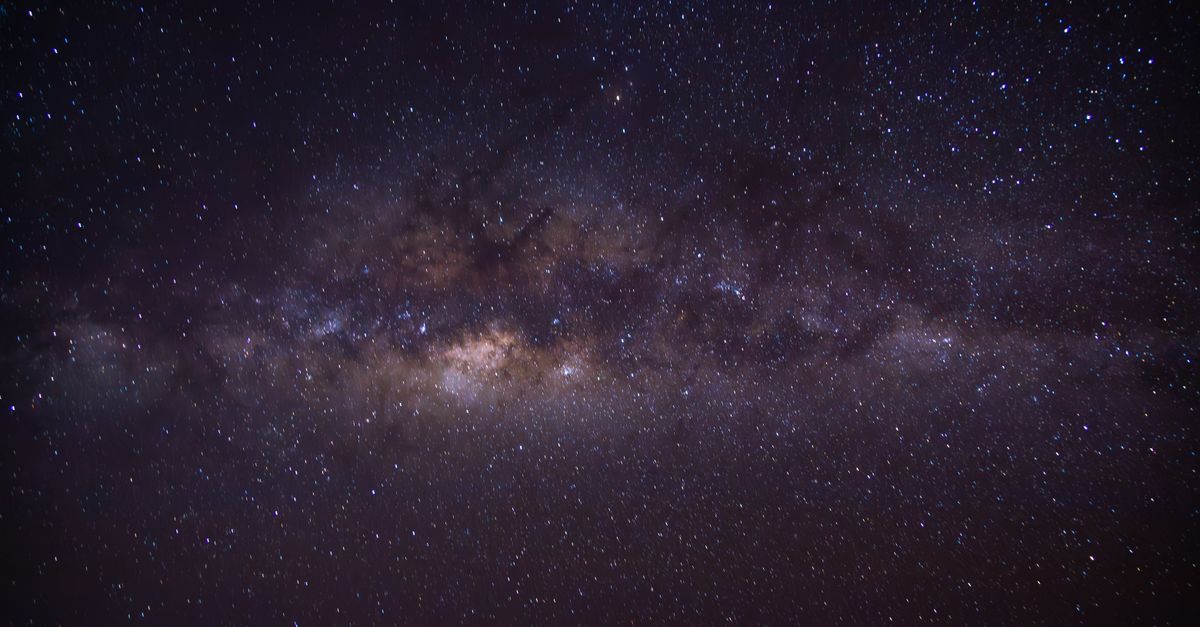
A Nobel Prize-winning scientist is challenging the standard model of the universe, suggesting that our current cosmic map may be fundamentally flawed. The claim follows a recent scientific breakthrough that has reignited debate over the fate of the cosmos, according to All That's Interesting.
The controversy centers on dark energy, the mysterious force believed to drive the accelerating expansion of the universe. While standard cosmology has for two decades favored a scenario of endless expansion, new calculations from a Cornell-led team suggest an alternative. Their model, which aligns with recent hints about dark energy, would see cosmic expansion halt in roughly 11 billion years, culminating in a "Big Crunch" about 20 billion years from now, as reported by Space Daily.
The findings add to what Phys.org describes as a "crisis in cosmology." A recent defense of cosmic acceleration, meant to shore up the standard model, has itself been found to contain critical problems. This has left researchers in a difficult position: the universe is still speeding up, but nobody knows why, according to Science Daily.